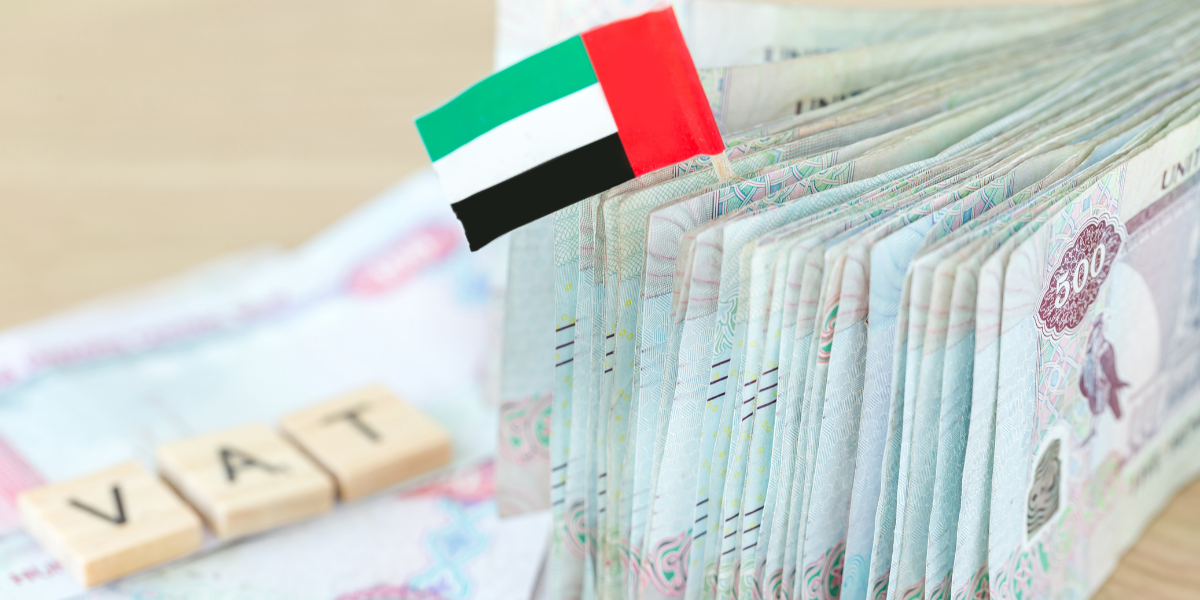


Value Added Tax in the UAE is a key part of the business environment, yet many people still find it unclear at first. It affects how you price your products, manage your accounts, and report your earnings. A basic understanding can make a noticeable difference in how smoothly your operations run. Instead of seeing VAT as a complex requirement, it helps to view it as a structured system that becomes easier to handle once you understand its core principles.
Understanding VAT Rules for Companies in the UAE
The UAE introduced VAT in 2018 as part of a broader plan to strengthen the economy. It is set at a standard rate of 5% and applies to most goods and services. Businesses collect it on behalf of the government. This means you charge VAT on your sales and pay it on your purchases. The difference between the two is what you submit to the Federal Tax Authority.
Every company must keep accurate records of Tax invoices, expenses, and tax filings. These records are not just for internal use. They serve as proof during audits and reviews. Ignoring proper documentation can lead to penalties.
Another important point is classification. Some supplies are taxable, some are zero-rated, and others are exempt. Knowing where your products or services fall makes a big difference in how you calculate your tax.
How VAT Works in the UAE

VAT is designed to collect tax in small portions at each stage of a product or service’s journey in the UAE. Instead of placing the full tax burden on one party, it is shared across the supply chain as value is added along the way. This makes the system balanced and easier to manage once you understand the flow. Here’s a simple breakdown:
- A supplier sells goods or services and adds VAT to the price (VAT Exclusive)
- A business that buys these goods pays VAT, then charges it again when selling to its own customers (VAT Inclusive)
- The business can claim back the VAT it already paid on purchases
- Only the difference between the collected VAT and the paid VAT is submitted to the government
- This cycle continues until the final customer, who bears the full VAT cost
This structure ensures fairness and transparency, making it easier for businesses to handle pricing, Tax invoicing, and tax reporting with confidence. Once you understand how VAT works in the UAE, it becomes easier to manage pricing, invoices, and reporting.
VAT Registration in the UAE
Before dealing with calculations and filings, businesses in the UAE must complete VAT registration. It is mandatory for companies whose taxable supplies exceed the threshold set by the authorities. There is also an option for voluntary registration if your revenue is lower but still significant.
Once registered, your business receives a Tax Registration Number, often called a TRN. This number must appear on all taxable invoices and official tax documents.
Correctly handling it at the start helps avoid future complications. Many companies underestimate this step, but it lays the foundation for smooth tax management.
When Should You Register?
If your business revenue crosses the mandatory threshold, registration becomes a legal requirement. It is mandatory for companies whose taxable supplies exceed AED 375,000 either of sale or Purchase. Business obliged to registered within 30 days .Businesses with revenue above AED 187,500 can opt for voluntary registration.
Delays can result in fines. Even if your revenue is below the limit, voluntary registration can be beneficial. It allows you to recover input VAT on expenses.
Documents You Will Need
The process requires several documents, including trade licenses, passport copies of owners, and financial records. Having these ready speeds up the process.
- Valid trade license copy
- Emirates ID and passport copies of owners or partners
- Memorandum of Association, if applicable
- Bank account details of the business
- Turnover details for the past 12 months
- Estimated revenue for the next 30 days
- Contact details and business activity information
- Business address
- Email and Contact No.
Common Mistakes to Avoid
Many businesses submit incomplete applications or incorrect details. This can delay approval or cause issues later. Seeking guidance or reviewing your application carefully can save time and effort.
- Providing incorrect financial figures
- Uploading unclear or outdated documents
- Missing important fields in the application form
- Using inconsistent business information across documents
- Not reviewing the application before final submission
At this stage, many businesses consider professional help, especially when dealing with complex structures or multiple business activities.
Contact Innovex Tax today for a seamless VAT registration in the UAE. Our experienced consultants review your trade license, prepare your application, and ensure everything is submitted correctly. Avoid common mistakes and costly delays with professional help you can trust.
Simplifying VAT Processes
VAT does not have to be overwhelming. With the right approach, it becomes a routine part of business operations.
- Start by organizing your financial records. Use accounting software that supports VAT calculations. This minimizes manual mistakes and increases efficiency.
- Regular reviews also help. Check your records and filings to ensure everything is accurate. This habit can prevent small issues from turning into major problems.
- Another practical step is to stay up to date on changes in tax regulations. The UAE tax system can evolve, and staying up to date ensures you remain compliant.
- Businesses that get professional help often find it easier to manage these processes. Expert support can simplify complex tasks and provide clarity when rules seem unclear.
Our VAT consultants in the UAE bring specialized knowledge that turns complex requirements into manageable routines. These experts review your specific setup, identify recoverable credits you might miss, and prepare filings that pass scrutiny.
Final Thoughts
VAT is an essential part of doing business in the UAE, but it does not have to be complicated. With a clear understanding of the rules, proper systems in place, and consistent attention to detail, businesses can handle VAT with confidence. Each step plays a role in building a stable and successful operation, from learning the basics of taxation to ensuring strong VAT compliance in the UAE. Taking the time to get things right now can save effort and costs later.
Looking to simplify your tax processes? Innovex Tax offers expert support to guide your business through VAT challenges. We offer specialized VAT consultancy services in the UAE, helping you stay compliant, organized, and confident while focusing on what matters most: growing your business with clarity and control.